 English


About Us
Explain to you how all this mistaken denouncing pleasure and praising pain was born and we will give you a complete account of the system, and expound the actual teachings. Mistaken denouncing pleasure and praising pain was born and we will give you complete account of the system expound.
About UsContact Info
No. 2, Tobiloba Lawal Road, Ocean Breeze Esate, Ologolo, Lekki-Ajah expressway, Lagos+234 704 080 8341
[email protected]









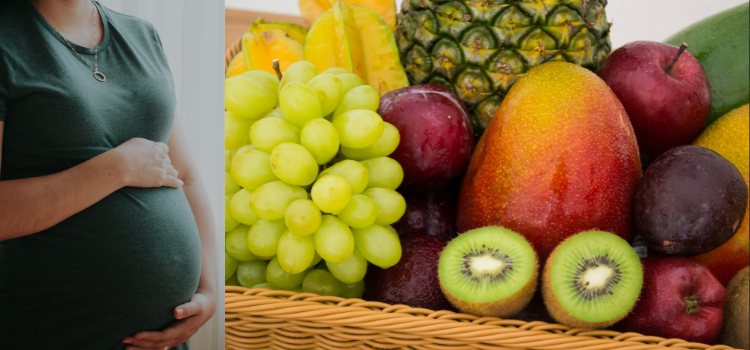
If you have polycystic ovary syndrome (PCOS), you may have come across conflicting advice about fruit. Some diets tell you to avoid sweet fruits because they contain natural sugar, while others recommend loading up on particular fruits to “balance your hormones.”
The reality is less complicated.
You don't have to avoid fruit because you have PCOS. Whole fruits can be part of a healthy, balanced eating pattern, providing fibre, vitamins, minerals and other plant compounds. The international evidence-based PCOS guideline recommends sustainable healthy eating tailored to individual preferences rather than one specific diet for everyone with PCOS.
So, which fruits are worth adding to your shopping list?
Key Takeaways
There is no single best fruit for PCOS. Look for whole fruits that provide fibre and a variety of nutrients.
Fibre matters. Whole fruit is generally a better choice than juice because the fibre remains intact.
You don't need to eliminate fruit because of its natural sugar. Portion size, the whole diet and what you eat alongside fruit all matter.
Berries, apples, pears, kiwi, oranges, avocado, grapefruit, guava, pomegranate and plums are nutritious choices that can fit into a balanced PCOS-friendly diet.
What Makes a Fruit Good for PCOS?
Before getting into the list, it helps to understand what we actually mean by a “PCOS-friendly” fruit.
PCOS is a complex condition involving reproductive, hormonal and metabolic features. For many women with PCOS, insulin resistance is an important part of the picture, but it isn't present in every person with the condition.
That means there isn't a universal PCOS diet or a single food that can fix hormonal symptoms.
The 2023 international PCOS guideline states that there is not enough evidence to recommend one particular dietary composition over another. Instead, it recommends sustainable healthy eating based on general healthy-eating principles and individual preferences and goals.
When choosing fruit, therefore, consider:
1: Fibre
Fibre can help make meals more filling and contributes to a healthy diet. Whole fruits retain their natural fibre, unlike many fruit juices.
2: Nutrient density
Fruits provide nutrients such as vitamin C, folate and potassium, along with various plant compounds.
3: Glycaemic impact
The glycaemic index (GI) can provide some information about how quickly a carbohydrate-containing food raises blood glucose. However, GI shouldn't be the only thing you consider. The amount eaten, the overall meal and the person's individual response also matter.
How you eat the fruit
An apple eaten whole is different from drinking a large glass of apple juice. Combining fruit with foods such as yoghurt, nuts or seeds can also make it part of a more balanced snack or meal.
With that in mind, here are 10 fruits worth considering.
10 Best Fruits for PCOS
1. Berries
Strawberries, blueberries, raspberries and blackberries are excellent additions to a varied diet.
They provide fibre, vitamin C and a range of antioxidant plant compounds. Berries are also versatile: you can add them to yoghurt, oats, smoothies or salads, or simply eat them on their own.
Their combination of fibre and nutrients makes them particularly useful when you're looking for fruit that can contribute to an overall balanced eating pattern.
Try: Add a handful of blueberries or strawberries to plain Greek yoghurt with some nuts or seeds.
AprilVines currently stocks blueberries, blackberries and a berry mix, although availability can vary.
2. Apples
Apples are an easy everyday choice because they provide fibre and are naturally portable.
Much of an apple's fibre is found in and around the skin, so washing the fruit and eating it whole can help you retain more of its fibre.
Apples also contain polyphenols and vitamin C, making them a nutritious alternative when you're craving something sweet.
Try: Pair a whole apple with a handful of nuts for a simple snack.
AprilVines offers several varieties, including green, red and pink apples.
3. Pears
Pears are another fruit worth keeping in your regular rotation.
They are naturally sweet but also provide fibre, particularly when eaten with the skin. Their soft texture makes them easy to add to breakfast bowls, salads or snacks.
Because PCOS nutrition shouldn't be about eliminating carbohydrates, a fibre-rich whole fruit such as a pear can be part of a balanced approach.
Try: Slice a pear into plain yoghurt and add walnuts or almonds.
4. Kiwi
Kiwi is a small fruit with a surprisingly strong nutritional profile.
It provides vitamin C and fibre and can add variety to a PCOS-friendly eating pattern. Its slightly tart flavour also works well with yoghurt, oats and other breakfast foods.
You can eat kiwi on its own or combine it with other fruits rather than relying on it as a special “PCOS treatment.”
Try: Add sliced kiwi to Greek yoghurt with berries and a few nuts.
5. Oranges
Oranges are another useful fruit to include because they provide vitamin C, water and fibre when eaten whole.
The important word here is whole.
Eating an orange gives you the fruit's natural fibre and requires more time to consume than drinking its juice. Orange juice can still contain nutrients, but it doesn't provide the same whole-fruit experience.
Try: Have a whole orange alongside breakfast or as an afternoon snack.
If you're shopping in Nigeria, AprilVines' current range also includes citrus products such as mandarins, lemons and dried citrus selections.
6. Avocado
Yes, avocado is technically a fruit.
Unlike most fruits, however, avocado is particularly notable for its fat content. It also provides fibre and potassium, making it a useful addition to meals.
That makes avocado especially versatile for someone trying to build balanced meals rather than simply counting the sugar in individual foods.
Try: Add avocado to eggs, whole-grain toast, salads or a savoury breakfast.
AprilVines currently offers Hass avocado.
7. Grapefruit
Grapefruit provides vitamin C, fibre and other plant nutrients while adding plenty of flavour without needing added sugar.
It can be eaten as part of breakfast or used in salads and other meals.
However, there's an important caveat: grapefruit can interact with some medications. If you take prescription medication, check with your doctor or pharmacist before regularly adding grapefruit to your diet.
This is a good example of why “healthy food” doesn't automatically mean “right for everyone.”
8. Guava
Guava is particularly interesting if you want to increase the variety of fruit in your diet.
It provides fibre and vitamin C and can be eaten on its own or incorporated into fruit salads and snacks.
Rather than searching for a fruit that supposedly “balances hormones,” guava is better viewed as another nutrient-dense whole-food option that can contribute to an overall healthy eating pattern.
If you enjoy tropical and less-common fruits, guava can also make your diet more interesting and varied.
9. Pomegranate
Pomegranate is another fruit that frequently appears in conversations about PCOS because of its antioxidant content.
The seeds can be added to salads, yoghurt, oats or eaten as part of a mixed fruit bowl.
As with other fruits on this list, the goal isn't to treat PCOS with pomegranate. Instead, it can contribute useful nutrients and variety to your overall diet.
Try: Sprinkle pomegranate seeds over plain yoghurt with walnuts.
10. Plums
Plums are a simple way to add more variety to your fruit intake.
They provide fibre and naturally occurring plant compounds and can make a convenient snack when you're looking for something sweet.
Fresh plums can be eaten whole, sliced into yoghurt or added to breakfast bowls.
The important point is that you don't need to restrict yourself to the same two or three “approved” PCOS fruits.
A varied diet gives you access to a wider range of nutrients.
Can You Eat Fruit If You Have PCOS?
Yes.
Having PCOS does not mean that you have to eliminate fruit from your diet.
This is an important distinction because fruit is sometimes unfairly grouped together with foods containing added sugars.
Whole fruit contains naturally occurring sugars, but it also comes with fibre, water, vitamins, minerals and other plant compounds.
The international PCOS guideline specifically recognises fruit among higher-fibre, lower-GI carbohydrate foods that can form part of a healthy dietary pattern.
So instead of asking:
“Is fruit bad for PCOS?”
A better question is:
“How can I include fruit as part of a balanced diet that works for me?”
Should You Avoid High-Sugar Fruits With PCOS?
Not necessarily.
You may see advice online telling people with PCOS to completely avoid bananas, mangoes, grapes, pineapple or other sweeter fruits.
That is an overly simplistic way of looking at nutrition.
The fact that a fruit tastes sweet doesn't automatically make it an unhealthy choice.
What matters is the overall dietary pattern, portion size, the form of the food and your individual nutritional needs.
For example, eating a whole piece of fruit is different from drinking a large amount of fruit juice. Likewise, eating fruit as part of a meal can be different from consuming a very large serving of fruit on its own.
You don't need to create a list of “good” and “bad” fruits.
Instead, aim for variety, whole fruit and balanced meals.
Whole Fruit vs Fruit Juice: Which Is Better for PCOS?
If you're choosing between whole fruit and fruit juice, whole fruit will generally be the more useful everyday option.
Juicing removes much of the fruit's physical structure and can make it easier to consume a large amount of fruit quickly.
For example, it is much easier to drink the juice of several oranges than it is to sit down and eat several whole oranges.
Whole fruit also provides fibre, which is an important part of a healthy diet.
This doesn't mean you can never drink juice. It simply means that juice shouldn't automatically be treated as equivalent to eating whole fruit.
If your goal is to include more fruit in your everyday diet, reach for the whole fruit more often.
How to Eat Fruit for a More Balanced PCOS Diet
Choosing nutritious fruit is only part of the equation. How you incorporate it into your meals matters too.
1: Pair fruit with protein or healthy fats
Instead of having a large bowl of fruit by itself, consider combining fruit with another food group.
For example:
Apple + almonds
Berries + Greek yoghurt
Pear + walnuts
Kiwi + plain yoghurt
Orange + a meal containing eggs or another protein source
Pomegranate + yoghurt and nuts
This turns fruit into part of a more balanced snack or meal.
2: Keep the fruit whole
When practical, choose whole fruit rather than juice.
This helps you retain the fruit's fibre and makes it easier to be mindful of how much you're eating.
3: Eat a variety of fruits
You don't have to eat the same fruit every day.
Rotate between berries, apples, pears, citrus, kiwi, avocado and other fruits you enjoy.
Different fruits provide different combinations of nutrients and plant compounds.
Don't build your entire diet around GI numbers
GI can be useful, but it isn't a complete measure of whether a food is healthy.
The international PCOS guideline emphasises overall healthy eating and sustainability, rather than prescribing one particular dietary composition.
That means a diet you can realistically maintain is more useful than a highly restrictive list of foods you're supposedly allowed to eat.
What About Dried Fruit and PCOS?
Dried fruit can be convenient, but it deserves a little more attention to portion size.
When fruit is dried, much of its water is removed, making it easier to consume more fruit in a smaller physical volume.
That doesn't make dried fruit inherently unhealthy. It simply means a handful of raisins, dates or other dried fruits can contain more concentrated carbohydrates than the equivalent volume of fresh fruit.
If you enjoy dried fruit, consider treating it as a small snack or combining it with nuts or seeds rather than eating large amounts at once.
AprilVines currently sells dried dates, dried prunes, dried raisins and dried fruit mixes.
A Simple PCOS-Friendly Fruit Shopping List
If you're putting together your next grocery order, you don't need to buy every fruit on this list.
Start with a few you genuinely enjoy.
A: Fresh fruits
Berries
Apples
Pears
Kiwi
Oranges
Grapefruit
Guava
Pomegranate
Plums
Avocado
B: Dried fruits
Raisins
Dates
Prunes
Dried fruit mixes
The best choice is ultimately the fruit that you enjoy, can access regularly and can comfortably include as part of your overall diet.
Can AprilVines Help You Add More Fruit to Your Diet?
If you're looking for fresh and dried fruit in Nigeria, AprilVines makes it easier to shop for a variety of fruit options in one place.
Its current selection includes berries, apples, avocado, grapes, citrus fruits and several dried fruits, among other produce.
You can choose a few everyday favourites and rotate them throughout the week rather than trying to follow a restrictive “PCOS fruit list.”
Explore the available fruit selection from AprilVines and make nutritious whole fruits a simple part of your regular meals and snacks.
Frequently Asked Questions
1: How many servings of fruit should I eat with PCOS?
There isn't one PCOS-specific number of fruit servings that applies to everyone. Your overall diet, energy needs, preferences and health goals matter. Rather than focusing on eliminating fruit, aim to include appropriate portions of whole fruit as part of a varied and balanced diet.
2: Is fruit bad for insulin resistance?
No. Whole fruit can be part of a healthy diet for people with insulin resistance. Fruit contains naturally occurring sugars but also provides fibre and other nutrients. The type and amount of fruit, the rest of the meal and the person's individual response all matter.
3: Can changing my diet cure PCOS?
No. PCOS is a complex condition and there is no single food or diet that cures it. A healthy eating pattern can form part of PCOS management, but individual care should be discussed with a qualified healthcare professional.
Is it better to eat fruit in the morning if I have PCOS?
There is no universal rule that fruit must be eaten in the morning for people with PCOS. What matters more is your overall eating pattern, the foods you combine and what is sustainable for you.
4: Can I eat fruit if I am trying to lose weight with PCOS?
Yes. Whole fruit can fit into a weight-management eating pattern. Its fibre and water content can help make meals and snacks satisfying. Weight management with PCOS is individual, so a sustainable approach is generally preferable to unnecessarily restricting nutritious foods.
Conclusion
If you have PCOS, you don't need to be afraid of fruit.
The best approach isn't to find one magical fruit that “balances your hormones.” Instead, build a varied diet that includes whole fruits alongside vegetables, protein sources, whole grains, healthy fats and other nutrient-rich foods.
Berries, apples, pears, kiwi, oranges, avocado, grapefruit, guava, pomegranate and plums are all nutritious options to consider. You can also enjoy other fruits that you like—there is no need to create an unnecessarily restrictive list of foods that are supposedly “allowed” and “forbidden.”
Pay attention to the bigger picture: choose whole fruit more often than juice, include fibre-rich foods, vary your choices and build balanced meals that fit your lifestyle.
And if you're looking for fresh and dried fruit in Nigeria, AprilVines offers a growing selection that can make it easier to keep a variety of fruit at home.
This article is intended for general educational purposes only and is not medical advice. PCOS is a medical condition, and dietary needs can vary from person to person. If you have PCOS or concerns about your blood sugar, weight, fertility or hormonal health, speak with a qualified healthcare professional or registered dietitian for personalised advice.