 English


About Us
Explain to you how all this mistaken denouncing pleasure and praising pain was born and we will give you a complete account of the system, and expound the actual teachings. Mistaken denouncing pleasure and praising pain was born and we will give you complete account of the system expound.
About UsContact Info
No. 2, Tobiloba Lawal Road, Ocean Breeze Esate, Ologolo, Lekki-Ajah expressway, Lagos+234 704 080 8341
[email protected]










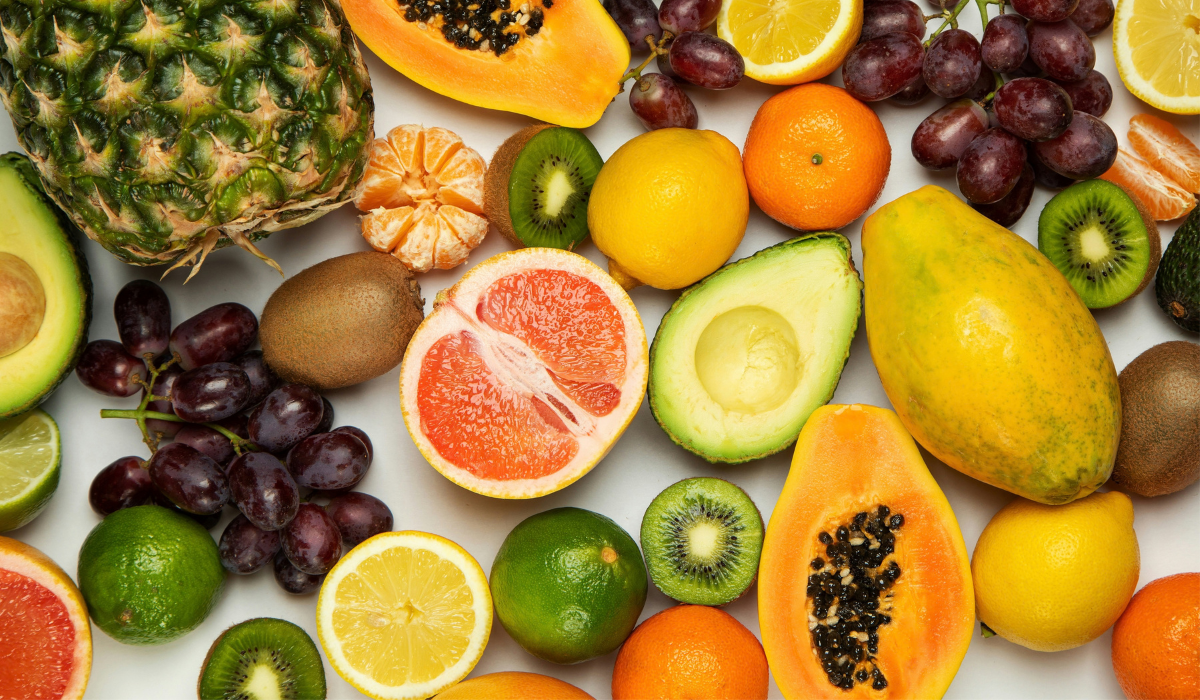
Fruits are an important part of a balanced diet. They provide essential vitamins, minerals, fibre, water, and antioxidants that help the body function properly. From supporting digestion to maintaining a healthy immune system, eating a variety of fruits can contribute to better overall health.
The good news is that you do not need expensive or exotic fruits to enjoy these benefits. Everyday options such as oranges, bananas, pawpaw, and watermelon can provide valuable nutrients. You can also include fruits such as apples, berries, and avocados to add variety to your meals.
If you want to improve your eating habits, knowing the best fruits to eat daily can help you make healthier choices for yourself and your family.
What Are the Best Fruits to Eat Daily?
Some of the best fruits to include in your daily diet are apples, bananas, oranges, pawpaw, watermelon, berries, avocados, pineapples, guavas, and mangoes. Each offers a different combination of nutrients, so eating a variety is generally more beneficial than relying on just one fruit.
Here are 10 healthy fruits to consider adding to your daily meals.
1. Apples
Apples are a convenient fruit that can be enjoyed as a snack, added to salads, or eaten alongside breakfast. They contain dietary fibre, vitamin C, and plant compounds that contribute to a balanced diet.
One of their key nutrients is pectin, a type of soluble fibre that supports normal digestion. Eating fibre-rich foods can also help you feel full for longer.
Health benefits of apples:
Support healthy digestion through their fibre content.
Provide antioxidants that help protect cells from damage.
Contribute to feelings of fullness between meals.
Supply vitamin C for normal immune function.
For the most fibre, eat apples with their skin after washing them thoroughly. You can enjoy them on their own or combine sliced apples with yoghurt, oats, or nuts for a nutritious snack.
2. Bananas
Bananas are popular because they are affordable, easy to carry, and require little preparation. They provide carbohydrates for energy, potassium for normal muscle and nerve function, and vitamin B6, which supports several processes in the body.
Their natural sweetness also makes them a useful alternative to added sugar in some recipes.
Health benefits of bananas:
Provide energy for everyday activities.
Supply potassium, which helps regulate blood pressure as part of a healthy diet.
Contain vitamin B6, which supports normal brain function and metabolism.
Provide fibre that contributes to digestive health.
You can eat a banana for breakfast, blend it into a smoothie, or slice it over oatmeal. Pairing it with yoghurt, eggs, or nuts can make a snack more balanced by adding protein or healthy fats.
3. Oranges
Oranges are among the best fruits to eat daily if you want to increase your vitamin C intake. Vitamin C supports immune function, helps the body produce collagen, and improves the absorption of iron from plant-based foods.
Oranges also contain water, fibre, and beneficial plant compounds.
Health benefits of oranges:
Support normal immune system function.
Help the body absorb iron from foods such as beans and leafy vegetables.
Contribute to healthy skin through their vitamin C content.
Provide fluid and fibre as part of a balanced diet.
Eat a whole orange rather than drinking only its juice when possible. Whole oranges retain their fibre and generally take longer to eat, making them a satisfying snack.
4. Pawpaw (Papaya)
Pawpaw, also known as papaya, is a tropical fruit commonly enjoyed in Nigeria. Its soft texture and naturally sweet flavour make it suitable for breakfast, snacks, and fruit salads.
Pawpaw provides vitamin C, provitamin A carotenoids, folate, and fibre. These nutrients contribute to immune function, vision, normal cell growth, and digestive health.
Health benefits of pawpaw:
Supports normal digestion through its fibre and water content.
Provides vitamin C for immune function.
Supplies carotenoids that the body can use to produce vitamin A.
Contributes to normal skin and eye health through its nutrients.
To enjoy pawpaw, remove the skin and seeds, cut the flesh into cubes, and serve chilled. You can also combine it with watermelon, pineapple, or banana for a refreshing fruit bowl.
5. Watermelon
Watermelon is particularly refreshing in hot weather because it contains a high proportion of water. It also supplies vitamin C, some provitamin A carotenoids, and lycopene, a plant compound with antioxidant properties.
Its high water content makes it a useful addition to a diet that supports adequate hydration, although drinking water remains important.
Health benefits of watermelon:
Helps contribute to daily fluid intake.
Provides vitamin C and other beneficial plant compounds.
Supplies lycopene, which helps protect cells from oxidative damage.
Offers a refreshing, naturally sweet alternative to many sugary snacks.
Enjoy watermelon in slices, add it to a fruit salad, or blend it into a smoothie without adding sugar. Cut watermelon should be refrigerated promptly and handled safely.
6. Berries
Berries such as strawberries, blueberries, and blackberries are nutrient-rich fruits that can add colour and variety to your diet. They contain fibre, vitamin C in varying amounts, and plant compounds called polyphenols, including anthocyanins in many dark-coloured berries.
Fresh and frozen berries can both be nutritious choices. Frozen berries are especially useful when fresh varieties are expensive or unavailable.
Health benefits of berries:
Provide antioxidants and other beneficial plant compounds.
Supply fibre that supports digestion.
Contribute vitamin C, depending on the variety.
Add natural sweetness to meals without requiring added sugar.
Add berries to yoghurt, oatmeal, smoothies, or homemade fruit salads. If you are shopping for specialty produce, choose fresh berries that are firm and free from visible mould.
7. Avocados
Unlike most fruits, avocados are particularly rich in monounsaturated fats rather than carbohydrates. They also provide fibre, potassium, folate, and vitamin E.
These healthy fats help the body absorb fat-soluble vitamins from foods. Replacing some sources of saturated fat with unsaturated fats can also support heart health.
Health benefits of avocados:
Supply unsaturated fats that support a heart-healthy eating pattern.
Provide fibre for digestive health.
Contain potassium, which contributes to normal blood pressure regulation.
Help the body absorb vitamins A, D, E, and K when eaten alongside foods containing them.
You can spread mashed avocado on whole-grain toast, add it to salads, or serve it with eggs and other breakfast foods. Because avocados are energy-dense, enjoy portions that suit your overall dietary needs.
8. Pineapples
Pineapples are tropical fruits known for their sweet, tangy flavour. They provide vitamin C, manganese, water, and other plant compounds.
Pineapple also contains bromelain, a group of enzymes that breaks down proteins. However, eating pineapple should not be considered a substitute for medical treatment or a guaranteed way to reduce inflammation.
Health benefits of pineapples:
Provide vitamin C for normal immune function.
Supply manganese, which supports bone formation and normal metabolism.
Contribute water to your daily fluid intake.
Add flavour and variety to a balanced diet.
Enjoy pineapple fresh, combine it with other fruits, or add small pieces to savoury dishes. If you experience mouth irritation after eating pineapple, try a smaller portion or choose another fruit.
9. Guavas
Guavas are an excellent fruit to consider if you want to increase your vitamin C and fibre intake. Depending on the variety, guavas can provide substantial amounts of vitamin C, alongside folate, potassium, and beneficial plant compounds.
Their fibre content makes them a useful addition to meals and snacks that support digestive health.
Health benefits of guavas:
Provide vitamin C for immune function and collagen production.
Supply fibre that helps maintain regular bowel movements.
Contribute potassium to a balanced diet.
Contain plant compounds that help protect cells from oxidative damage.
Wash guavas thoroughly before eating them. You can enjoy them whole, slice them into a fruit salad, or blend them into a drink. Eating the whole fruit is generally preferable to drinking strained juice because it preserves more fibre.
10. Mangoes
Mangoes are a popular seasonal fruit that provide vitamin C, folate, fibre, and carotenoids, including beta-carotene. The body can convert beta-carotene into vitamin A, which supports normal vision, immune function, and healthy skin.
Their natural sweetness also makes them a useful ingredient in snacks and homemade desserts.
Health benefits of mangoes:
Supply vitamin C for normal immune function.
Provide carotenoids that contribute to vitamin A intake.
Contain fibre that supports digestion.
Add flavour and natural sweetness to meals.
Enjoy fresh mango slices as a snack, add them to yoghurt, or combine them with other fruits. Mangoes contain natural sugars, so people managing blood glucose levels may find it helpful to consider portion size and pair fruit with a source of protein or healthy fat.
How Many Fruits Should You Eat Daily?
The amount of fruit you need depends on your age, energy requirements, overall diet, and health circumstances.
For many adults, a practical starting point is around two servings of fruit daily as part of a varied diet that also includes vegetables, whole grains, protein sources, and healthy fats. Some people may benefit from more, depending on their individual needs.
A serving might be one medium apple or orange, a medium banana, or a bowl of cut fruit. The appropriate portion varies by fruit and preparation.
Rather than eating large amounts of just one fruit, try to include different colours and varieties throughout the week. This helps you obtain a broader range of vitamins, minerals, fibre, and plant compounds.
Tips for Adding More Fruits to Your Daily Diet
Eating fruit regularly does not need to be complicated. Small changes to your daily routine can make it easier to build a healthier eating pattern.
1. Start your day with fruit. Add sliced bananas to oatmeal, serve pawpaw with breakfast, or enjoy an orange alongside your morning meal.
2. Keep fruit within reach. Store washed apples, oranges, and other ready-to-eat fruits where you can easily see them.
3. Choose seasonal fruits. Buying fruits that are in season can help you enjoy better variety and potentially lower costs.
4. Combine fruits with other nutritious foods. Pair apples with nuts, berries with plain yoghurt, or avocado with whole-grain bread to create more balanced snacks.
5. Choose whole fruits more often than juice. Whole fruits generally retain more fibre and can be more filling than their juice equivalents.
6. Wash fruits properly. Rinse fresh produce under clean running water before eating or cutting it. Avoid using soap or household detergents on fruit.
7. Store fruit correctly. Refrigerate perishable cut fruits promptly and follow appropriate food-safety practices to reduce spoilage.
Can You Eat Fruits Every Day?
For most people, eating fruit every day is a healthy habit. Whole fruits provide a combination of nutrients and fibre that can contribute to a balanced diet and may support long-term health when consumed as part of an overall healthy eating pattern.
However, no single fruit provides every nutrient your body needs. Eating a variety of fruits and vegetables is more useful than relying on one fruit because you believe it offers the greatest health benefits.
People with specific dietary requirements, food allergies, or medical conditions that affect blood glucose or potassium levels may need individual guidance from a qualified healthcare professional.
It is also worth remembering that dried fruits and fruit juices can contain more concentrated sugars per serving than whole fruits. They can still fit into a balanced diet, but portion sizes matter.
Frequently Asked Questions
1: What is the healthiest fruit to eat every day?
There is no single healthiest fruit for everyone. Apples, bananas, oranges, pawpaw, berries, guavas, and other fruits each provide different nutrients. The best approach is to eat a variety of fruits that suit your preferences, budget, and dietary needs.
2: Which fruits are best for the immune system?
Fruits such as oranges, guavas, strawberries, and pawpaw provide vitamin C, which supports normal immune function. However, a healthy immune system also depends on adequate nutrition, sleep, physical activity, and other lifestyle factors.
3: Is it better to eat fruit in the morning or at night?
There is no universal best time to eat fruit. You can enjoy fruit at breakfast, between meals, or after dinner. What matters more is your overall dietary pattern and choosing portions that suit your needs.
4: Should you eat fruit before or after meals?
Both options can fit into a healthy diet. Eating fruit before a meal does not have a proven universal advantage over eating it afterwards. Choose the timing that works best for your appetite and routine.
5: Are fresh or frozen fruits healthier?
Both fresh and frozen fruits can be nutritious. Frozen fruits are often picked and frozen when ripe, helping preserve many of their nutrients. Choose unsweetened frozen options where possible, and select fresh fruits that are in good condition.
Can people with diabetes eat fruit daily?
Many people with diabetes can include whole fruits in their diet. Portion size, total carbohydrate intake, medication, and individual blood glucose responses are important considerations. A healthcare professional or registered dietitian can help tailor fruit choices to individual needs.
Final Thoughts
Including fruit in your daily diet is a simple way to increase your intake of fibre, vitamins, minerals, water, and beneficial plant compounds. Apples, bananas, oranges, pawpaw, watermelon, berries, avocados, pineapples, guavas, and mangoes all offer different nutritional benefits.
You do not need to eat all 10 fruits every day. Instead, choose a few varieties you enjoy, rotate your selections throughout the week, and combine them with vegetables and other nutritious foods.
Whether you are preparing breakfast for your family, looking for a convenient snack, or adding more variety to your meals, fresh fruit can be a practical part of a balanced lifestyle.
Looking for fresh fruits for your home? Aprilvines is your #1 online fruit store in Lagos Nigeria. We stock a large selection of some of the top fruits and vegetables fresh with door-to-door delivery within the Lagos metropolitan area.