 English


About Us
Explain to you how all this mistaken denouncing pleasure and praising pain was born and we will give you a complete account of the system, and expound the actual teachings. Mistaken denouncing pleasure and praising pain was born and we will give you complete account of the system expound.
About UsContact Info
No. 2, Tobiloba Lawal Road, Ocean Breeze Esate, Ologolo, Lekki-Ajah expressway, Lagos+234 704 080 8341
[email protected]










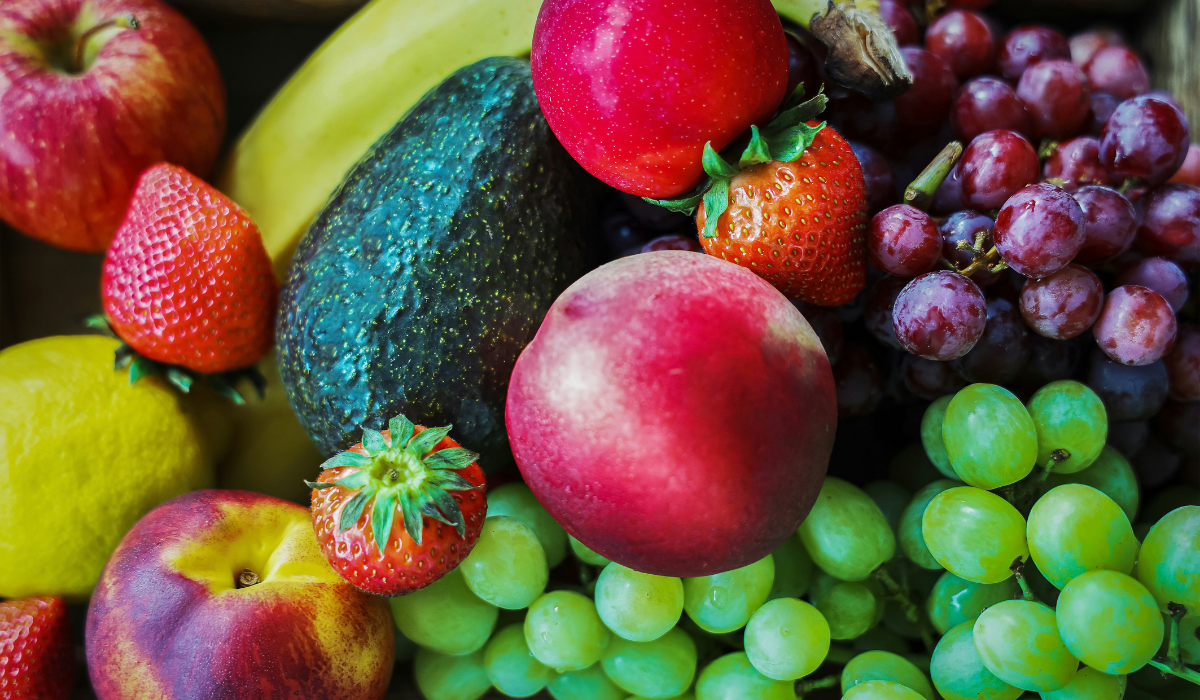
Blueberries, blackberries, and strawberries are three popular berries known for their sweet flavours, vibrant colours, and nutritional benefits. Although they are often grouped, each fruit has a distinct taste, texture, appearance, and nutritional profile.
Blueberries are small, round fruits with a mildly sweet flavour, while blackberries are juicy, dark-coloured fruits with a balance of sweetness and tartness. Strawberries are larger, bright red fruits known for their refreshing sweetness and fragrant aroma.
Understanding the difference between blueberries, blackberries, and strawberries can help you choose the right fruit for your breakfast, smoothies, desserts, or everyday snacks. Whether you are looking for antioxidant-rich foods or simply want to add more variety to your diet, these berries each offer something unique.
What Is the Difference Between Blueberries, Blackberries and Strawberries?
The main differences between blueberries, blackberries, and strawberries are their appearance, flavour, texture, and nutritional composition.
Blueberries are small, round, blue-purple fruits with a smooth skin and a sweet, mildly tangy taste. Blackberries are made up of clusters of tiny rounded sections, giving them a bumpy appearance and a deep purple-black colour. Strawberries are larger, heart-shaped fruits with red flesh, tiny seeds on the surface, and a sweet, slightly acidic flavour.
All three fruits provide fibre, vitamins, and beneficial plant compounds. However, their nutrient levels vary, making each a useful addition to a balanced diet.
Blueberries vs Blackberries vs Strawberries: Quick Comparison
Nutritional values vary depending on the variety, ripeness, storage, and serving size.
1. Blueberries: Small Fruits with a Sweet, Mild Flavour
Blueberries are small, round berries that typically have a deep blue-purple colour and a pale, powdery coating on their skin. Their flavour is generally sweet, with a mild tartness that makes them suitable for both sweet and savoury recipes.
They are popular in breakfast bowls, yoghurt, smoothies, pancakes, muffins, and other baked goods. Because they have a relatively firm skin, blueberries can also retain their shape when mixed into foods.
Nutritional Benefits of Blueberries
Blueberries contain dietary fibre, vitamin C, vitamin K, and manganese. They are also known for their anthocyanins, the plant pigments responsible for their blue-purple colour.
Potential nutritional benefits include:
Antioxidant protection: Blueberries contain anthocyanins and other compounds that help protect cells from oxidative damage.
Digestive health: Their dietary fibre contributes to normal digestion and bowel function.
Immune function: Vitamin C supports the normal functioning of the immune system.
Bone health: Blueberries provide vitamin K, which contributes to normal blood clotting and bone maintenance.
Blueberries are a useful choice if you want a mildly sweet fruit that works well in breakfast meals and snacks.
How to Eat Blueberries
You can enjoy blueberries in several ways:
Add them to oatmeal or breakfast cereal.
Mix them into plain yoghurt.
Blend them into smoothies.
Use them in pancakes, muffins, and other baked goods.
Combine them with strawberries and blackberries for a mixed-berry bowl.
Fresh blueberries should be firm and free from visible mould. Frozen blueberries are also a convenient option, particularly when fresh berries are expensive or difficult to find.
2. Blackberries: Juicy Berries with a Sweet-Tart Taste
Blackberries are dark purple to black fruits made up of many small, rounded sections called drupelets. Their appearance is more textured than that of blueberries, and their flavour is often more complex, combining sweetness with a noticeable tartness.
When ripe, blackberries are soft, juicy, and aromatic. They are commonly used in jams, sauces, smoothies, pies, and fruit desserts.
Nutritional Benefits of Blackberries
Blackberries provide dietary fibre, vitamin C, vitamin K, manganese, and several beneficial plant compounds.
Their nutritional benefits include:
Digestive support: Blackberries are particularly useful for increasing dietary fibre intake.
Immune health: Their vitamin C contributes to normal immune function.
Cell protection: Their dark colour comes partly from anthocyanins, which have antioxidant properties.
Normal blood clotting: They provide vitamin K, a nutrient involved in blood clotting.
Blackberries are especially worth considering if you want a berry with a strong flavour and a relatively high fibre content.
How to Eat Blackberries
Blackberries work well in a range of dishes:
Blend them into smoothies with bananas or yoghurt.
Add them to oatmeal or overnight oats.
Use them in homemade jams and fruit sauces.
Serve them with yoghurt and nuts.
Add them to fruit salads or desserts.
Because blackberries have a delicate structure, handle them gently when washing and storing them. Refrigerate fresh berries and remove any mouldy or spoiled fruit before eating.
3. Strawberries: Sweet, Fragrant Fruits with a Refreshing Taste
Strawberries are easily recognised by their bright red colour, heart-shaped appearance, and small seeds scattered across their surface. They have a juicy texture and a fragrant, sweet flavour balanced by a mild acidity.
Unlike blueberries and blackberries, strawberries are not true botanical berries. Botanically, the fleshy part is an enlarged flower receptacle, while the tiny structures on the outside are individual fruits.
Strawberries are versatile and can be eaten fresh, blended into smoothies, added to desserts, or used to flavour drinks and breakfast dishes.
Nutritional Benefits of Strawberries
Strawberries are particularly rich in vitamin C relative to their calorie content. They also contain dietary fibre, folate, manganese, and anthocyanins.
Their benefits include:
Immune function: Strawberries provide vitamin C, which supports normal immune health.
Collagen production: Vitamin C helps the body produce collagen, a protein important for skin, cartilage, and connective tissue.
Digestive health: Their fibre contributes to normal bowel function.
Antioxidant intake: Strawberries contain anthocyanins and other plant compounds that help protect cells from oxidative damage.
Strawberries are a good option for people who enjoy a sweet, refreshing fruit that can be eaten on its own or added to many meals.
How to Eat Strawberries
Here are some easy ways to enjoy strawberries:
Slice them over breakfast cereal or oatmeal.
Add them to yoghurt and granola.
Blend them into fruit smoothies.
Use them in fruit salads and desserts.
Pair them with blueberries and blackberries for a colourful snack.
Wash strawberries under clean running water before removing the green tops. This helps prevent water from entering the fruit's cut surface during washing.
Which Berry Has the Most Nutrients?
Blueberries, blackberries, and strawberries all provide useful nutrients, but the best choice depends on which nutrient you want to increase.
Strawberries are particularly notable for their vitamin C content. Blackberries are a strong choice for dietary fibre, while blueberries are well known for their anthocyanins and other polyphenols.
No single berry is nutritionally superior in every respect. Eating different berries allows you to benefit from their varied nutrient profiles.
Nutritional Comparison Per 100 Grams
The following approximate values are based on commonly reported USDA FoodData Central entries for raw fruit. Actual values can vary by variety and growing conditions.
Values are approximate and intended for general comparison. They are not a substitute for product-specific nutritional information.
This comparison highlights several useful differences:
For vitamin C: Strawberries stand out among these three fruits.
For fibre: Blackberries provide the most fibre per 100 grams in this comparison.
For a lower-calorie option: Strawberries have the lowest calorie content per 100 grams.
For vitamin K: Blueberries and blackberries provide more vitamin K than strawberries in these reference values.
All three fruits can fit into a balanced diet. Your overall eating pattern matters more than choosing a single berry based on one nutrient.
Which Berry Is Best for Smoothies?
All three berries work well in smoothies, but the best option depends on your preferred flavour and texture.
1: Blueberries are ideal for smoothies with bananas, yoghurt, oats, or milk. Their mild flavour blends easily with other ingredients and gives the drink a purple-blue colour.
2: Blackberries add a deeper, more tart flavour. They pair well with bananas, yoghurt, and other sweet fruits. Their seeds may create a slightly grainier texture, depending on how thoroughly you blend them.
3: Strawberries are a popular choice for sweet, refreshing smoothies. They pair particularly well with bananas, yoghurt, milk, and mangoes.
For a balanced mixed-berry smoothie, combine strawberries, blueberries, and blackberries with plain yoghurt or milk. You can add a banana for sweetness without needing additional sugar.
Which Berry Is Best for Weight Management?
All three berries can be included in a weight-management eating plan. They contain water and fibre, and they provide flavour and sweetness without being particularly high in calories.
Strawberries have the lowest calorie content per 100 grams in the comparison above, while blackberries provide the most fibre. Blueberries offer a balance of natural sweetness and useful nutrients.
However, no berry directly causes weight loss. Weight management depends on overall energy intake, physical activity, sleep, and other individual factors.
To make berries part of a satisfying snack, pair them with plain yoghurt, a small portion of nuts, or another source of protein.
Are Blueberries, Blackberries and Strawberries Good for Everyday Eating?
Yes. For most people, all three fruits can be part of a healthy daily diet.
They provide different combinations of vitamins, fibre, and plant compounds, making them useful additions to meals and snacks. You do not need to eat all three every day; rotating between different fruits is a practical way to increase dietary variety.
Here are some simple ideas:
Breakfast: Add blueberries or sliced strawberries to oatmeal.
Midday snack: Enjoy a handful of fresh blackberries.
After exercise: Blend mixed berries with yoghurt or milk.
Dessert: Serve sliced strawberries and blueberries with plain yoghurt.
Family snack: Prepare a bowl of mixed berries with other fresh fruits.
Wash fresh berries before eating, refrigerate them appropriately, and discard any that show signs of spoilage.
How to Choose and Store Fresh Berries
Fresh berries can be delicate, so choosing and storing them correctly helps preserve their quality.
A: Choosing Fresh Blueberries
Look for firm, plump blueberries with an even blue-purple colour. A light, powdery coating is natural. Avoid containers with crushed berries, excessive moisture, or visible mould.
B: Choosing Fresh Blackberries
Choose blackberries that look plump and dark, with their small sections intact. Avoid berries that are excessively mushy, leaking juice, or showing mould.
C: Choosing Fresh Strawberries
Look for strawberries with a bright red colour, fresh green tops, and firm flesh. Avoid fruit with soft patches, leaking juice, or visible mould.
D: Storing Berries at Home
Refrigerate fresh berries and keep them dry until you are ready to eat them. Store them in a clean container that allows some airflow, and remove damaged berries to help limit spoilage.
It is generally best to wash berries shortly before eating rather than washing an entire batch long before storage. Frozen berries can be a convenient alternative when fresh varieties are out of season or unavailable.
Where Can You Buy Blueberries, Blackberries and Strawberries?
You can shop for blueberries, blackberries, or strawberries online at Aprilvines. We stock a large variety of your favourite fruits. From apple, mango, pawpaw, watermelon and much more, you can buy in bulk at discounted price.
Check the current product listings for availability and ordering details.
Frequently Asked Questions
1: Are blueberries, blackberries and strawberries the same?
No. They are different fruits with distinct appearances, flavours, and nutritional profiles. Blueberries are round and blue-purple, blackberries are dark fruits made up of clustered drupelets, and strawberries are red fruits with seeds on the surface.
2: Which is healthier: blueberries, blackberries or strawberries?
All three can be healthy choices. Strawberries provide particularly high amounts of vitamin C, blackberries are rich in fibre, and blueberries contain anthocyanins and other beneficial plant compounds. The best approach is to enjoy a variety.
3: Which berry has the most vitamin C?
Among the three fruits compared here, strawberries have the highest vitamin C content per 100 grams in the reference nutritional data. Blackberries also provide more vitamin C than blueberries.
4: Which berry has the most fibre?
Blackberries provide the most dietary fibre per 100 grams among these three fruits in the comparison above. They can be a useful choice for people looking to increase their fibre intake.
5: Can you eat blueberries, blackberries and strawberries together?
Yes. Combining the three fruits is an easy way to enjoy different flavours, colours, and nutrients in one meal. Add them to yoghurt, oatmeal, smoothies, or fruit salads.
6: Are frozen berries as healthy as fresh berries?
Frozen berries can be just as nutritious as fresh berries in many respects. Freezing helps preserve many nutrients, although the exact nutritional composition depends on processing and storage. Choose unsweetened frozen berries when possible.
Conclusion
Blueberries, blackberries, and strawberries may all belong in the same fruit family in everyday conversation, but each has its own characteristics.
Blueberries offer a mild sweetness and are well known for their anthocyanins. Blackberries provide a rich, tart flavour and are particularly high in fibre. Strawberries deliver a refreshing taste and are an excellent source of vitamin C.
Rather than choosing only one, consider adding different berries to your meals throughout the week. Whether you enjoy them fresh, frozen, blended into smoothies, or served with breakfast, all three can help make a balanced diet more colourful and enjoyable.