 English


About Us
Explain to you how all this mistaken denouncing pleasure and praising pain was born and we will give you a complete account of the system, and expound the actual teachings. Mistaken denouncing pleasure and praising pain was born and we will give you complete account of the system expound.
About UsContact Info
No. 2, Tobiloba Lawal Road, Ocean Breeze Esate, Ologolo, Lekki-Ajah expressway, Lagos+234 704 080 8341
[email protected]









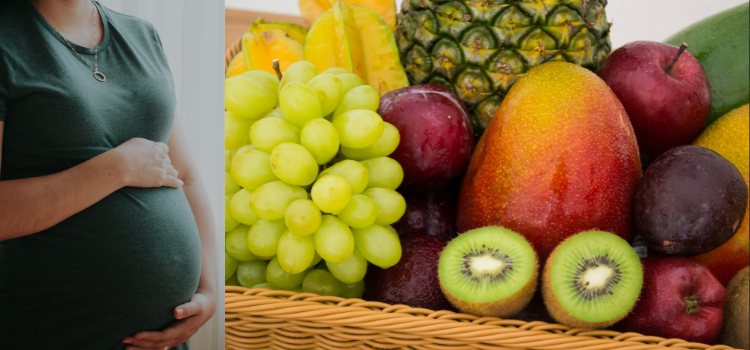
Iron is one of those nutrients you may not think about until you start wondering whether you're getting enough of it.
It plays an important role in making haemoglobin, the protein in red blood cells that helps carry oxygen around your body. Your body cannot produce iron on its own, so you need to get it from the foods you eat.
But how much iron do you actually need? And if you're trying to improve your diet, can fruits help?
The answer depends on your age, sex, and stage of life. It also matters which foods you eat together, because the body doesn't absorb all forms of dietary iron equally.
Key Takeaways
Most adult men need about 8 mg of iron a day, while women aged 19–50 generally need 18 mg; pregnancy increases the requirement to 27 mg.
Iron comes in two main forms: heme iron from animal foods and non-heme iron from plant foods and fortified foods.
Fruits aren't generally major sources of iron, but dried fruits such as apricots, raisins and prunes can contribute iron, while vitamin-C-rich fruits can help your body absorb non-heme iron.
Getting enough iron is about your overall diet, not relying on one food or fruit.
How Much Iron Do You Need Per Day?
Your ideal daily iron intake isn't the same for everyone.
According to the National Institutes of Health, adult men generally need 8 mg of iron per day. Women aged 19–50 need 18 mg per day, largely because of iron losses associated with menstruation. During pregnancy, the recommended amount rises to 27 mg per day. Women who are breastfeeding generally need 9 mg per day. After age 51, the recommended amount for both men and women is generally 8 mg per day.
Here's a simple guide:
These are general recommendations, not individual medical prescriptions. Your personal needs can differ depending on your circumstances.
Why Do Women Generally Need More Iron?
The difference is particularly noticeable among women of reproductive age.
Regular menstrual blood loss can increase the amount of iron that needs to be replaced through the diet. Pregnancy also substantially increases iron requirements because iron is needed to support the increased production of blood and the developing baby.
This is one reason why paying attention to iron intake can be especially important for women.
Why Does Your Body Need Iron?
Iron has several important functions in the body, but one of its best-known roles is helping transport oxygen.
Iron is needed to make haemoglobin, a component of red blood cells. Haemoglobin helps carry oxygen from your lungs to tissues throughout your body. Iron is also involved in myoglobin, which helps supply oxygen to muscles.
In simple terms, your body needs iron to help get oxygen where it needs to go.
That's why consistently inadequate iron intake can eventually contribute to iron deficiency and, in some cases, iron-deficiency anaemia.
What Happens If You Don't Get Enough Iron?
Not getting enough iron doesn't necessarily mean you'll immediately notice something is wrong.
Your body stores some iron, so deficiency can develop over time. If iron levels become too low, however, symptoms can include tiredness, weakness, dizziness, headaches, shortness of breath and reduced energy.
The important thing is not to assume that these symptoms automatically mean you have an iron deficiency. Many conditions can cause similar symptoms.
If you're concerned about your iron levels, particularly if you have persistent symptoms, it's better to speak with a healthcare professional rather than trying to diagnose yourself based on symptoms alone.
What Are the Best Sources of Iron?
Iron comes from a wide variety of foods.
There are two main types of dietary iron: heme iron and non-heme iron.
Heme Iron
Heme iron is primarily found in animal foods, including:
Beef and other red meat
Poultry
Fish
Seafood
Organ meats
The body generally absorbs heme iron more efficiently than non-heme iron.
Non-Heme Iron
Non-heme iron is found in plant foods and fortified foods, including:
Lentils
Beans
Peas
Spinach and other leafy greens
Nuts and seeds
Tofu
Fortified cereals and breads
Some dried fruits
If you eat mostly plant-based foods, understanding how to improve the absorption of non-heme iron becomes particularly useful.
What Fruits Are High in Iron?
This is where it's worth clearing up a common misconception.
Most fresh fruits aren't particularly high in iron.
For example, if you're trying to substantially increase your iron intake, eating fruit alone is unlikely to provide all the iron you need. Foods such as beans, lentils, meat, seafood, fortified cereals, nuts and seeds generally provide more substantial amounts of iron.
However, some fruits can still play a useful role in an iron-conscious diet.
1: Dried Apricots
Dried apricots are one example of a fruit that provides some iron. One nutrition reference lists about 1.1 mg of iron in a 25 g serving of dried apricots.
They're also convenient to keep around as a snack or add to breakfast, yoghurt, salads and other meals.
AprilVines currently offers Dried Apricot as part of its fruit selection.
2: Raisins
Raisins are another dried fruit that can contribute iron to your diet. The NIH lists raisins among foods that provide iron, while nutrition references show that dried fruits can be useful plant-based sources.
AprilVines also offers a large selection of dried raisins, making them an easy option for adding dried fruit to snacks and meals.
3: Prunes
Prunes can also contribute some iron. Like other dried fruits, they are more concentrated than their fresh counterparts because much of the water has been removed.
AprilVines stocks dried prunes as part of its dried fruit selection.
4: Dates
Dates can also form part of a varied diet that includes iron-containing foods. They shouldn't be viewed as a replacement for major iron sources, but they can be an easy way to add fruit to your meals and snacks.
AprilVines offers dried dates without stones, which can be convenient for snacking or adding to recipes.
Vitamin C and Iron: Why the Combination Matters
Here's where fresh fruit becomes particularly interesting.
Vitamin C can help your body absorb non-heme iron from plant foods.
So instead of thinking about fruit only as an iron source, think about how you can combine fruits with iron-containing foods.
For example:
Add strawberries to a breakfast containing iron-fortified cereal.
Have citrus fruit alongside a meal containing beans or lentils.
Add kiwi to a meal containing plant-based sources of iron.
Use tomatoes or peppers alongside beans and leafy greens.
Vitamin C-rich foods include citrus fruits, strawberries, kiwi, tomatoes and peppers.
This simple pairing strategy can make a plant-based meal more useful from an iron-absorption perspective.
Fruits You Can Add to an Iron-Conscious Diet
If you're looking for fruits to keep around the kitchen, consider building a mix of iron-containing dried fruits and vitamin-C-rich fresh fruits.
Dried fruits
Dried apricots
Raisins
Prunes
Dates
Vitamin-C-rich fruits
Oranges
Grapefruit
Kiwi
Strawberries
Pineapple
Mango
The goal isn't to get all your iron from fruit. Instead, use fruit as one part of a balanced diet that contains a variety of iron-rich foods.
How to Help Your Body Absorb More Iron
Getting enough iron isn't only about the number on a nutrition label. What you eat alongside an iron-containing food can affect how much iron your body absorbs.
1. Pair plant-based iron with vitamin C
This is one of the simplest strategies.
Try combining foods such as lentils, beans or leafy greens with vitamin-C-rich fruits or vegetables. Vitamin C can improve absorption of non-heme iron.
2. Eat a variety of iron-containing foods
Don't depend on a single food.
Rotate between legumes, leafy greens, nuts, seeds, fortified foods and, if they form part of your diet, meat, poultry and seafood.
3. Pay attention to tea and coffee around meals
Some compounds in tea and coffee can interfere with iron absorption. For people who are particularly concerned about iron intake, having tea or coffee between meals rather than with an iron-rich meal may help.
4. Don't forget that preparation matters
Food preparation and combinations can influence the amount of iron your body ultimately absorbs.
The bigger picture is therefore not simply “How much iron is in this food?” but also “What else am I eating with it?”
A Simple Example of an Iron-Friendly Day
You don't need to completely redesign your diet to pay more attention to iron.
A simple day might look something like this:
Breakfast:
Iron-fortified cereal with strawberries or another vitamin-C-rich fruit.
Lunch:
Beans or lentils with vegetables, followed by an orange or other citrus fruit.
Snack:
A small serving of dried apricots, raisins or dates.
Dinner:
A meal containing an iron-rich protein source alongside vegetables.
This isn't a prescribed meal plan. It's simply an example of how different foods can work together.
Can Eating Fruit Alone Give You Enough Iron?
Usually, no.
Fruit is an important part of a balanced diet, but most fresh fruits aren't concentrated sources of iron. Some dried fruits provide useful amounts, but relying exclusively on fruit would make it difficult to meet your overall iron requirements.
Instead, think of fruit as part of a bigger strategy:
Iron-rich foods + vitamin-C-rich fruits + a varied diet = a better approach to meeting your nutritional needs.
And if you're specifically trying to increase your iron intake because you suspect you may be deficient, speak with a healthcare professional rather than relying on dietary changes alone.
Shop Fresh and Dried Fruits from AprilVines
Whether you're looking for fruit for everyday snacking, meal preparation or to add more variety to your diet, AprilVines makes it easy to find fresh and dried fruit in one place.
The current selection includes products such as dried apricots, dried raisins, dried prunes, dried dates, citrus fruits, kiwi, grapefruit and other fresh fruits.
You can explore the available selection through AprilVines' fruit store and choose the fruits that fit your meals, snacks, and shopping needs.
Frequently Asked Questions
1: Can low iron make you tired?
Low iron can contribute to tiredness and fatigue, particularly when iron deficiency becomes significant enough to affect red blood cell production. However, tiredness can have many causes, so it shouldn't be used on its own to diagnose iron deficiency.
2: Do men and women need the same amount of iron?
Not always. Adult men generally need 8 mg per day, while women aged 19–50 generally need 18 mg. The difference is largely related to iron losses from menstruation. After age 51, the recommended amount for both men and women is generally 8 mg per day.
3: Is it better to get iron from food or supplements?
Food is an important source of iron for most people, but supplements may be recommended in some circumstances. Whether you need an iron supplement depends on your individual situation, so it's best to discuss supplementation with a healthcare professional rather than taking high-dose iron on your own.
4: Does vitamin C increase iron absorption?
Yes. Vitamin C can improve the absorption of non-heme iron, the form found in plant foods and fortified foods. This is why pairing foods such as beans, lentils or leafy greens with vitamin-C-rich fruits can be useful.
5: Are dried fruits a good source of iron?
Some dried fruits provide iron, including raisins, prunes and dried apricots. However, they should be considered one contributor to your overall iron intake, rather than a replacement for other iron-rich foods such as legumes, meat, seafood, nuts, seeds and fortified foods.
Conclusion
So, how much iron is in your diet?
For most adults, the answer depends on your age, sex and stage of life. While adult men generally need around 8 mg per day, women aged 19–50 need around 18 mg, and pregnancy increases the recommendation to 27 mg.
The good news is that iron doesn't have to come from one particular food. A varied diet containing iron-rich foods, along with fruits and vegetables that provide vitamin C, can help you make the most of the iron in your meals.
And while fruits aren't generally the richest sources of iron, dried apricots, raisins, prunes and dates can contribute some iron, while fruits such as oranges, grapefruit, kiwi and strawberries can provide vitamin C to support the absorption of plant-based iron.
Shop a wide variety of fruits online at Aprilvines and make fruit an easy part of your everyday meals and snacks.
This article is for general educational purposes only and is not medical advice. If you think you may have an iron deficiency or are experiencing persistent symptoms, speak with a qualified healthcare professional.