 English


About Us
Explain to you how all this mistaken denouncing pleasure and praising pain was born and we will give you a complete account of the system, and expound the actual teachings. Mistaken denouncing pleasure and praising pain was born and we will give you complete account of the system expound.
About UsContact Info
No. 2, Tobiloba Lawal Road, Ocean Breeze Esate, Ologolo, Lekki-Ajah expressway, Lagos+234 704 080 8341
[email protected]











Magnesium works silently in the background of your body, supporting over 300 different chemical reactions every single day. From helping your muscles relax after a long day to ensuring your heart keeps a steady rhythm and even calming your nervous system to help you drift off to sleep, magnesium is truly essential.
Despite its importance, many of us don’t get enough of it. While we often hear that we should reach for leafy greens, nuts, and whole grains to get our magnesium fix, did you know that your favorite fruits can also play a major role?
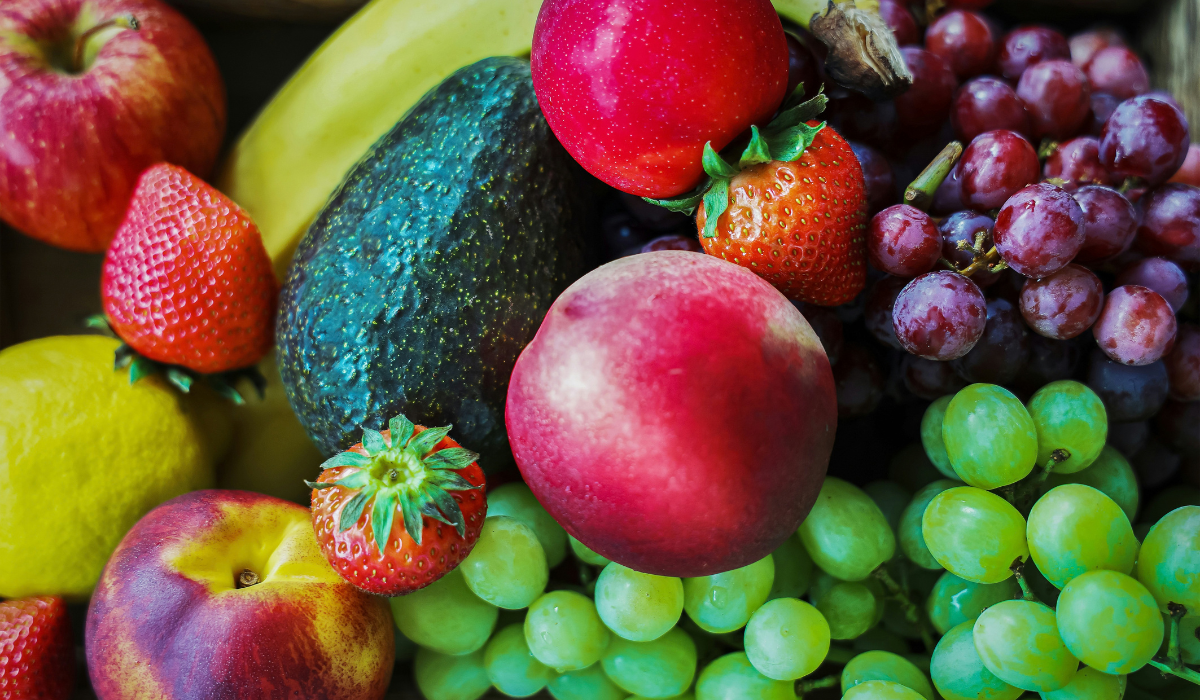
Adding magnesium-rich fruits to your diet is one of the easiest, most delicious ways to boost your intake. In this guide, we are going to explore the top 10 fruits that contain magnesium and how you can easily incorporate them into your daily routine.
Key Takeaways
1. Magnesium plays a critical role in heart health (regulating rhythm and blood pressure), bone density, and quality sleep by managing stress hormones.
2. While leafy greens and nuts are common recommendations, many fruits are delicious, nutrient-dense vehicles for increasing your daily magnesium intake
3. Dried fruits, such as figs and dates, offer a more concentrated source of magnesium, making them excellent, energy-dense snacks.
10 Top Fruits High in Magnesium
Here are 10 delicious ways to increase your magnesium levels through fruit.
1. Avocados
Often praised for their healthy fats, avocados are also the king of magnesium-rich fruits. A medium avocado provides a substantial amount of this mineral, along with heart-healthy monounsaturated fats and fiber.
Mash it onto whole-grain toast for breakfast or blend it into a smoothie for a creamy, nutrient-packed boost.
2. Bananas
Bananas are the ultimate “grab-and-go” snack. They are widely available, affordable, and easy on the stomach. Beyond magnesium, they are famous for their potassium and Vitamin B6, which together support heart health and energy levels.
Slice them over your morning porridge or freeze them to make a quick “nice cream” dessert.
3. Dried Figs
When fruits are dried, their nutrients become more concentrated. Dried figs are an incredible source of magnesium and fiber. They provide a dense hit of energy and are perfect for a quick snack.
Add chopped dried figs to your Greek yogurt or include them on a cheese board for a sophisticated treat.
4. Blackberries
These deep, dark berries aren't just delicious; they are packed with antioxidants and a respectable amount of magnesium. Their tangy flavor makes them a great addition to almost any meal.
Toss a handful into your morning cereal or mix them into a salad for a burst of color and nutrition.
5. Raspberries
Like blackberries, raspberries are wonderful for your health. They are light, flavorful, and provide a steady supply of magnesium. They pair beautifully with other foods and are low in calories. They go perfectly with dark chocolate which, luckily, is also a great source of magnesium!
6. Papayas
If you’re looking for something tropical, papayas are a great choice. They are known for helping with digestion and reducing bloating, all while providing a good dose of magnesium and Vitamin A. Enjoy fresh papaya as a breakfast side or blend it with some lime juice for a refreshing tropical smoothie.
7. Guavas
Guavas are a nutrient powerhouse. Not only do they contain magnesium, but they are also exceptionally high in Vitamin C, which helps your immune system stay strong. Sprinkle a little salt or chili powder on fresh guava slices for a classic, tasty snack.
8. Dates
Dates are nature's candy. They are sweet, rich, and full of energy-boosting nutrients. Because they are naturally sweet, they make an excellent replacement for processed sugars in recipes. Stuff a date with almond butter for a delicious, magnesium-packed dessert.
9. Kiwi Fruits
These fuzzy, vibrant green fruits are small but mighty. They offer a unique tangy flavor and a significant amount of magnesium and fiber, making them excellent for digestive health. Slice them and layer them on top of yogurt or eat them with a spoon like a soft-boiled egg.
10. Cantaloupe
Refreshing and hydrating, cantaloupe is a fantastic fruit for warmer days. While it has a slightly lower magnesium content than some others on this list, it’s a great way to stay hydrated while sneaking in some extra minerals. Use it in fruit salads or blend it into a cooling summer drink.
Why Your Body Needs Magnesium
Magnesium is involved in almost every aspect of your health:
- Energy Production: It helps convert the food you eat into the energy you need to get through your day.
- Muscle & Nerve Function: It acts like a natural relaxant, helping to prevent muscle cramps and spasms.
- Heart Health: It helps regulate your blood pressure and keeps your heart beating regularly.
- Sleep & Stress Relief: If you’re feeling overwhelmed, magnesium helps lower the stress hormone cortisol, allowing your body to unwind.
- Bone Health: A huge portion of your body’s magnesium is stored in your bones, keeping them strong and dense.
For most adults, the recommended daily intake ranges between 300 mg and 420 mg. While you likely won’t get your full daily dose from fruit alone, these fruits are fantastic, nutrient-dense additions that help bridge the gap.
Simple Ways to Boost Your Intake
The best part about getting your magnesium from fruit is that it doesn’t feel like a chore. You don't need to overthink it. Here are a few simple ways to incorporate these into your day:
- The “Double-Up” Method: Combine your magnesium-rich fruits with other sources. For example, add sliced bananas and almonds (a great source of magnesium) to your oatmeal.
- Smoothie Success: If you aren't a fan of the texture of certain fruits like avocado, blend them into a smoothie with berries and spinach to hide the taste while keeping the benefits.
- Snack Smart: Keep dried fruits like figs or dates in your bag for when you need a mid-afternoon energy pick-up.
Aprilvines for your Plant-based Goodness
Whether you are looking to boost your energy, improve your sleep, or simply enjoy cleaner, more nutrient-dense food, Aprilvines is your partner in this journey.
Ready to start your wellness journey? Explore our collection and discover how to incorporate more natural, plant-based goodness into your daily routine.
Conclusion
Magnesium might be a small mineral, but it makes a massive difference in how you feel, move, and sleep. By adding these 10 fruits from the creamy avocado to the sweet date into your diet, you are taking a simple, delicious step toward better health. Remember, the goal isn't perfection; it’s consistency. Start by adding one or two of these fruits to your grocery list this week and notice how much better you feel.
Pick your favorite magnesium-rich fruit today at Aprilvines and share this guide with a friend who needs a little boost.
FAQs
1. Can taking too much magnesium from food cause side effects?
Generally, it is very difficult to reach toxic levels of magnesium through food alone, as your kidneys efficiently excrete excess amounts. Adverse effects like digestive discomfort are typically associated with high-dose magnesium supplements, not dietary sources.
2. Does the soil quality where fruit is grown affect its magnesium content?
Yes. Modern intensive farming practices have led to soil depletion in some regions, which can result in lower mineral content in fruits and vegetables compared to those grown in nutrient-rich, mineral-dense soil.
3. Are there specific medications that interfere with magnesium levels?
Certain medications, such as some diuretics, antibiotics, and proton pump inhibitors (for acid reflux), can deplete magnesium levels or interfere with how your body absorbs the mineral. It is best to consult with a doctor if you are on long-term medication.
4. Is there a difference in magnesium content between organic and conventionally grown fruit?
While research is mixed, some studies suggest that organic farming techniques, which focus on soil health and composting, may lead to slightly higher nutrient profiles in produce, though the primary factor remains the specific soil composition.
5. Does cooking or heating fruit destroy its magnesium content?
Magnesium is a mineral, not a heat-sensitive vitamin like Vitamin C. Therefore, cooking fruit does not typically destroy its magnesium content; however, if the fruit is boiled in water and that water is discarded, some of the magnesium may be lost into the cooking liquid.
6. Can magnesium deficiency be detected through a standard blood test?
Standard blood tests are not always accurate for magnesium deficiency because most of the body's magnesium is stored inside the cells and bones, not in the blood. Doctors often have to look at clinical symptoms in addition to blood work.
7. Do certain age groups need more magnesium than others?
Yes. Generally, magnesium requirements increase with age due to potential changes in absorption efficiency and the use of certain medications that may deplete magnesium.
8. Can magnesium help with migraines?
Many neurologists suggest magnesium supplementation for migraine prevention because magnesium deficiency is linked to nerve cell instability. Some research indicates that regular intake of magnesium-rich foods may help reduce the frequency of migraine attacks.