 English


About Us
Explain to you how all this mistaken denouncing pleasure and praising pain was born and we will give you a complete account of the system, and expound the actual teachings. Mistaken denouncing pleasure and praising pain was born and we will give you complete account of the system expound.
About UsContact Info
No. 2, Tobiloba Lawal Road, Ocean Breeze Esate, Ologolo, Lekki-Ajah expressway, Lagos+234 704 080 8341
[email protected]










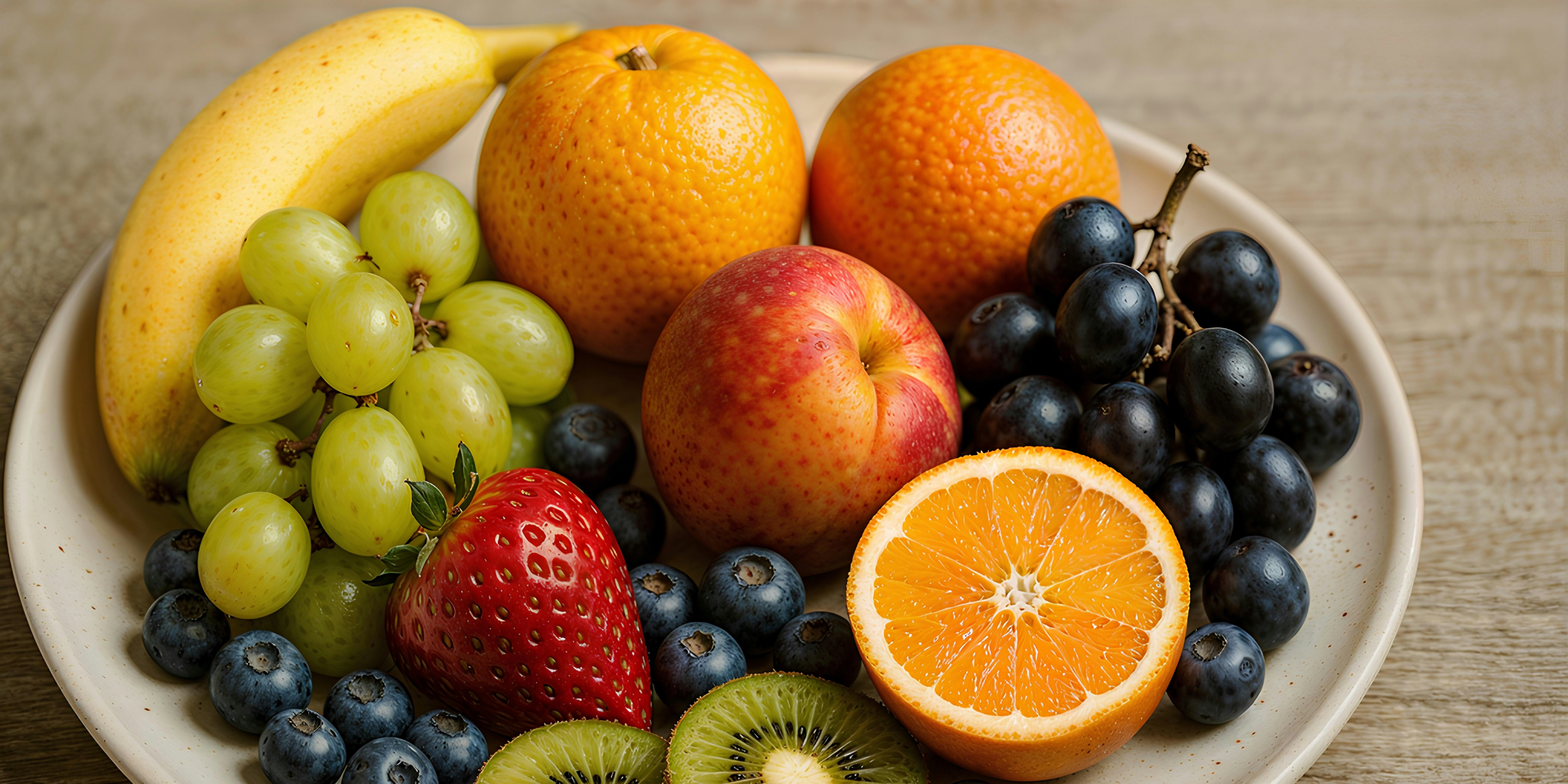
Have you ever wondered if you have to give up fruit entirely just because you are managing your blood sugar? It is a common worry, but the good news is that you don’t have to swear off fruit forever. In fact, many delicious fruits can be part of a healthy, balanced diet for diabetes management.
Living with diabetes requires being mindful of what you eat, especially when it comes to carbohydrates and natural sugars. However, fruit provides essential vitamins, minerals, fiber, and antioxidants that your body needs to thrive. The key isn't necessarily eliminating fruit; it is choosing the right fruits and understanding how portion sizes affect your blood sugar levels.
This guide will help you navigate the world of fruit, focusing on low-sugar options that can support your journey toward stable blood glucose control.
Key Takeaways
- The fiber found in whole fruits acts as a natural buffer, slowing down the speed at which sugar enters your bloodstream. Always prioritize the whole fruit over processed versions.
- Use the GI as a guide to choose fruits that digest slowly. Aim for fruits with a GI of 55 or below to keep your blood sugar levels steady.
- Juice removes the essential fiber and leaves only the concentrated sugar. Even 100% natural fruit juice can cause rapid blood sugar spikes compared to eating the whole fruit.
- Eating fruit alongside a source of healthy fat or protein (like nuts, seeds, or yogurt) further slows digestion, making it a safer option for your post-meal glucose levels.
- There is a direct correlation between how ripe a fruit is and how quickly it impacts your blood sugar. Slightly firm fruits are often better choices than very soft, overripe ones.
Top 5 Low-Sugar Fruits for Blood Sugar Control for Diabetes
If you are looking to satisfy your sweet tooth without “breaking the bank” on your blood sugar levels, here are some of the best choices:
1. Berries (Strawberries, Raspberries, Blackberries, Blueberries)
Berries are arguably the gold standard for fruit in a diabetic diet. They are packed with antioxidants, vitamins, and high amounts of fiber. They have a naturally low glycemic index and are relatively low in total carbohydrates compared to other fruits. A half-cup to a cup of fresh berries makes for a perfect, nutrient-dense snack.
2. Citrus Fruits (Grapefruit, Oranges, Lemons, Limes)
Citrus fruits are refreshing and loaded with Vitamin C. Grapefruit; With a very low glycemic index, it is a powerhouse for blood sugar control. If you are taking medication for blood pressure or cholesterol, always talk to your doctor before adding grapefruit to your daily diet, as it can interact with certain prescriptions. Oranges provide a great dose of fiber. Be sure to eat the whole fruit rather than drinking the juice, as the fiber is found in the pulp and skin.
3. Apples
“An apple a day” is great advice, even for those managing diabetes. Apples are rich in soluble fiber and antioxidants. Keep the peel on! The skin contains the highest concentration of fiber, which helps steady your blood sugar. Most apples have a low GI ranging from 32 to 38.
4. Avocados
Yes, avocado is a fruit. It is a unique, delicious option because it is extremely low in sugar and high in healthy monounsaturated fats. These fats, combined with fiber, keep you feeling full and satisfied, making it easier to maintain a healthy weight and manage blood sugar.
5. Pears
Pears are an excellent source of fiber and water. Like apples, they have a low GI (around 38) and can help increase insulin sensitivity in the body. They are a wonderful, sweet way to curb cravings without causing significant harm to your levels.
Understanding Glycemic Index (GI) and Diabetes
When discussing fruit and blood sugar, you will often hear the term “Glycemic Index” (GI). The GI is a rating system that ranks foods on a scale from 0 to 100 based on how quickly they cause your blood sugar to rise after eating.
- Low GI (55 or below): These foods are digested and absorbed more slowly, resulting in a smaller, slower rise in blood sugar. These are generally the best choices for diabetes management.
- Medium GI (56–69): These cause a moderate rise in blood sugar.
- High GI (70 and above): These are digested and absorbed quickly, often causing rapid spikes in blood sugar.
While GI is a helpful tool, it is not the only factor. The total carbohydrate content and the fiber content of the fruit also matter. Fiber is particularly important because it slows down the absorption of sugar into your bloodstream, which helps prevent those sharp spikes.
Tips for Enjoying Fruit Responsibly
Even low-sugar fruits should be consumed mindfully. Here are a few expert tips to keep your blood sugar in check:
- Prioritize Whole Fruit: Always choose whole, fresh fruit over fruit juices or dried fruits. Juicing removes the fiber, which leads to faster blood sugar spikes. Dried fruit has a much higher concentration of sugar because the water content has been removed.
- Watch Your Portions: Even “healthy” fruit contains carbohydrates. A good rule of thumb is to stick to one small piece of whole fruit or one-half to one cup of chopped fruit per serving.
- Pair with Protein or Fat: If you want to enjoy a fruit that is slightly higher in natural sugar, pair it with a healthy fat or protein, such as a handful of nuts, a spoonful of almond butter, or some plain, unsweetened Greek yogurt. This slows down the digestion process even further.
- Consider Ripeness: As fruits ripen, their natural sugar content increases, and their GI score can climb. If you have a choice, pick fruits that are just ripe rather than overripe.
Aprilvines: Your Partner in Botanical Wellness
When you are managing your wellness, choosing high-quality, pure botanical ingredients is essential. Whether you are looking for soothing herbal teas to wind down after a meal or premium-quality botanicals to incorporate into your lifestyle, Aprilvines offers curated selections designed to complement a balanced life.
We invite you to explore our collection of premium botanicals and discover how nature can fit seamlessly into your health journey.
Conclusion
Managing diabetes is a journey, not a destination. It is about making small, consistent choices that support your body’s needs. Including fresh, low-sugar fruits like berries, citrus, apples, and avocados can bring joy and essential nutrition to your plate without the fear of uncontrolled blood sugar spikes.
Listen to your body, keep track of how different foods affect your readings, and don't hesitate to consult with your dietitian or healthcare provider to create a plan that is uniquely yours.
FAQs
1. Does the time of day I eat fruit affect my blood sugar differently?
Yes, for many people, eating fruit earlier in the day when the body is more insulin-sensitive, or paired with a morning meal, results in a more stable response than consuming fruit as a late-night snack when metabolism slows down.
2. Are frozen fruits just as healthy as fresh ones for someone with diabetes?
Generally, yes. Frozen fruits are picked at peak ripeness and flash-frozen, preserving their nutritional profile and fiber. Just ensure the package has “no added sugar.”
3. How do I accurately calculate “net carbs” in fruit when counting my daily intake?
You calculate net carbs by taking the total carbohydrates in a serving and subtracting the grams of dietary fiber. This provides a more accurate picture of how many carbs will impact your blood glucose.
4. Can consuming fruit in a smoothie affect my blood sugar faster than eating the fruit whole?
Yes. Even if you don't strain out the pulp, the mechanical breakdown of fruit in a blender starts the digestion process early, which can lead to a quicker rise in blood glucose compared to chewing whole fruit.
5. Are there specific fruits that interact negatively with metformin or insulin therapy?
While rare, some fruits like grapefruit and Seville oranges can interfere with the metabolism of certain medications, potentially changing how effective they are. Always consult your pharmacist.
6. Is there a difference in how canned fruits affect blood sugar if they are packed in “natural juice” vs. “syrup”?
Yes, “heavy syrup” is essentially added sugar water that will spike blood glucose rapidly. “Natural juice” is better, but rinsing the fruit under cold water before eating can remove additional surface sugars.
7. How do I distinguish between “natural sugar” (fructose) in fruit and "added sugar" on food labels?
Natural sugars are part of the whole food matrix (fiber, water, vitamins). Added sugars are ingredients like corn syrup, sucrose, or fruit juice concentrate added to processed products. You will find natural sugars under “Total Sugars” on a nutrition label, but they are not listed as “Added Sugars.”
8. Does physical activity immediately after eating fruit help mitigate the resulting blood sugar rise?
Yes. Physical activity increases glucose uptake by your muscle cells, acting as a natural tool to help clear sugar from the blood more efficiently regardless of what you consume.